
Article: Fabric First: Why Material Selection Should Lead Every Design Decision
Fabric First: Why Material Selection Should Lead Every Design Decision
When people think about designing a home, they often start with the larger decisions.
The kitchen. The flooring. The sofa. The paint colours.
Fabric is frequently left until later, viewed as something that can be selected once everything else has been decided.
Yet some of the most successful interiors begin in exactly the opposite way.
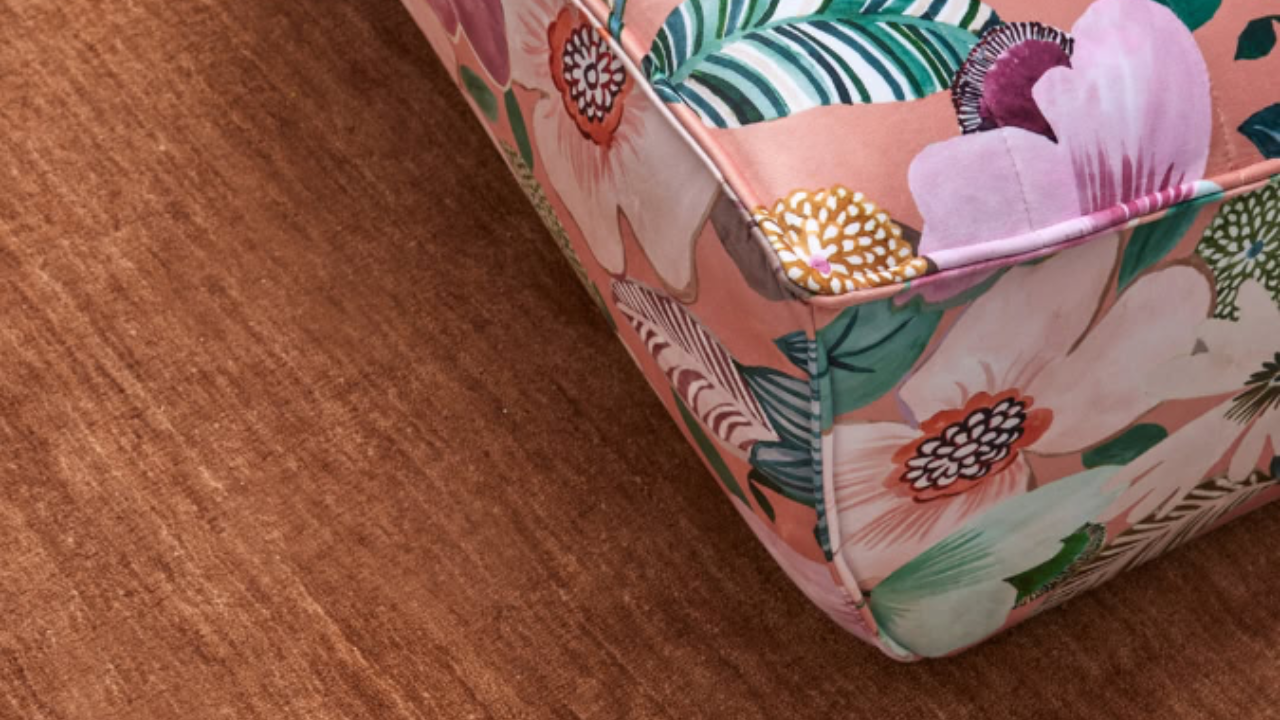
A fabric can become the starting point for an entire design story.
It may be a textile you are instantly drawn to, a colour combination that resonates, or a pattern that captures a feeling you want to create within your home. Whatever form it takes, that initial selection often contains clues about the direction the space wants to go.
Rather than being the finishing touch, fabric can become the foundation.
The problem with designing backwards
One of the most common mistakes people make is approaching material selection at the end of a project.
By then, many of the major decisions have already been made. Flooring has been selected, paint colours have been chosen, furniture has been ordered.
The fabric is expected to somehow connect everything together.
Sometimes it can.
More often, it is being asked to solve problems that could have been avoided had it been considered earlier.
This is particularly true when pattern, texture and colour are involved. Fabric influences how every other surface in a room is perceived. It interacts with natural light, paint finishes, timber tones, flooring materials and decorative objects.
When considered from the beginning, these elements can be developed together rather than assembled later.
Beyond trends
The other challenge facing homeowners today is the sheer volume of inspiration available.
Every day we are exposed to new trends, new colours, new aesthetics and new opinions about what a home should look like.
The result is often a collection of saved images that don’t necessarily belong together.
A curved sofa from one trend cycle. A colour palette from another. A rug that looked beautiful online. An artwork chosen because everyone else seems to be using it.
Individually, these pieces may be beautiful.
Collectively, they can leave people feeling disconnected from their own homes.
One of the most valuable parts of the design process is learning to separate inspiration from influence.
Trends are not inherently bad. They introduce new ideas, materials and ways of thinking.
The challenge comes when trends become the primary decision maker.
The most memorable interiors rarely follow a trend perfectly. Instead, they reflect the people who live within them.
They tell a story about personal taste, collected experiences, travel, family and lifestyle.
They evolve over time.
Fabric as a guide
This is where fabric becomes such a powerful design tool.
Unlike many design decisions, fabric is deeply personal.
People tend to respond instinctively to colour, texture and pattern. They know what they are drawn to long before they understand why.
A textile can reveal whether someone prefers calm, layered interiors or something more expressive. It can suggest colours that should be repeated elsewhere in the home. It can establish a mood that influences every subsequent decision.
From a single fabric selection, connections begin to emerge.
Wall colours become clearer. Rugs become easier to choose. Artwork feels more intentional. Decorative objects have context.
The design starts to speak the same language.
Creating a home that feels like you
The most successful interiors are not built from trends.
They are built from a series of thoughtful decisions that feel authentic to the people living there.
That process often requires slowing down.
It means resisting the urge to purchase pieces simply because they are popular. It means understanding how you want your home to function before deciding how it should look.
For many clients, this is where working with a designer becomes valuable.
Not because someone else is making decisions for you, but because they can help interpret what you are already responding to. They can identify patterns, create cohesion and introduce materials and resources that support the vision you are trying to achieve.
The result is a home that feels considered rather than constructed.
A more considered approach
At Tropique, fabric is rarely viewed as a standalone selection.
Instead, it becomes part of a broader conversation about how a space should feel, function and evolve over time.
When materials, colours and textures are selected in cohesion, the result is not simply a well-designed room.
It becomes a collection of pieces that work together, support one another and tell a consistent story.
A tapestry of life rather than a collection of trends.
And often, it all begins with fabric.

Written by Rebecca Bickerstaff


Leave a comment
This site is protected by hCaptcha and the hCaptcha Privacy Policy and Terms of Service apply.